
Engineering Plastics Technical Blog
Practical, data-backed technical resources written by Juhai Plastics' R&D engineers. We cover modified nylon material comparisons, grade selection guides, injection molding processing troubleshooting and sustainability topics. Updated 2-3 times per month. Subscribe to our newsletter below for notification of new guides.
Latest Articles & Guides
Browse our most recent technical content. Click any article to read the full guide with data tables and FAQs.
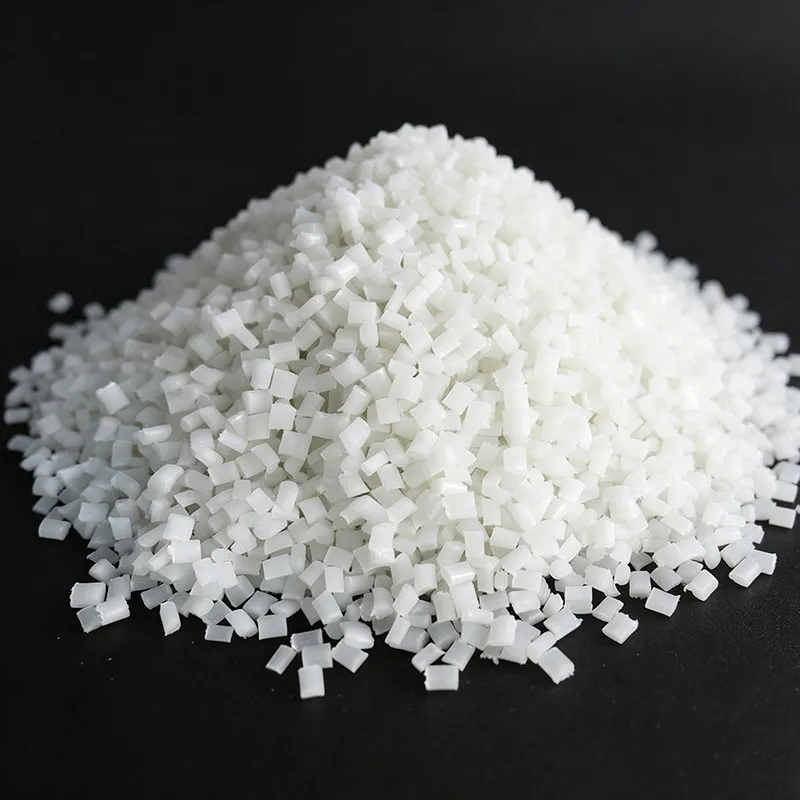
PA6 vs PA66 Nylon — The Complete 2026 Material Comparison Guide
Side-by-side comparison of Nylon 6 and Nylon 66 modified plastics including tensile, impact, HDT, chemical resistance, moisture absorption, cost, typical applications and 15 real-world case studies of when to choose which.
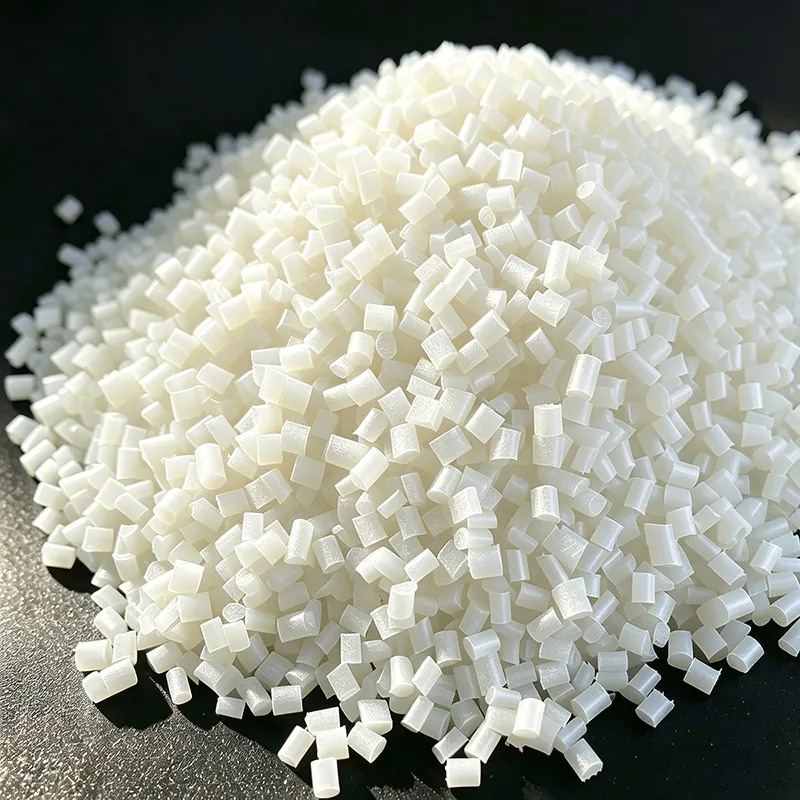
How to Choose Glass Fiber Content: 15% vs 20% vs 30% vs 35% vs 50% GF in PA6
Everything you need to select the right GF loading: mechanical property curves at each percentage, warpage trade-offs, surface finish impact, tooling constraints, shrinkage comparison data and cost-per-kg vs stiffness-per-dollar optimization chart.
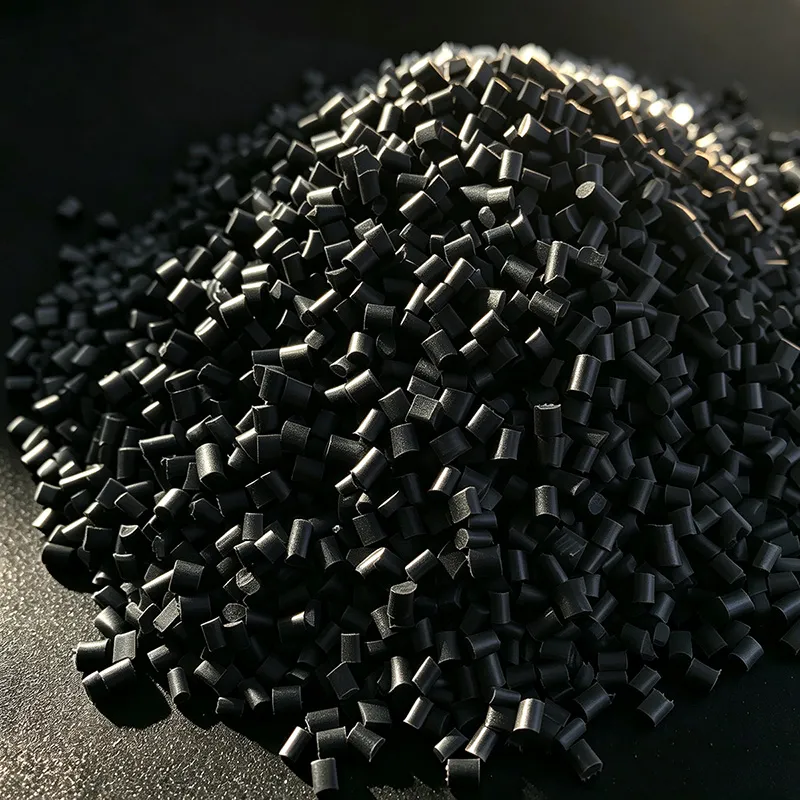
13 Common Defects in Injection Molding GF-Nylon Parts & Solutions
Comprehensive troubleshooting manual covering splay marks, floating fiber (silver streak), warpage, weld-line weakness, voids, burning, jetting, black spots, shrinkage and dimension mismatch — each with root cause, step-by-step parameter fix list and material formulation adjustment.

Drying Nylon PA6 / PA66 Before Injection: Why 80°C × 4 Hours Matters
Step-by-step guide to pre-drying hygroscopic nylon. Explains how 1.8% moisture causes splay, hydrolysis-induced brittleness and voids. Covers desiccant dryer vs hopper dryer setups, Karl Fischer testing, 11 material-specific drying charts for PA6, PA66, PP.
Most Popular Plastic Material FAQs
Curated answers to the most frequently asked questions from injection molders and OEM engineers buying modified engineering plastics.
Glass fiber reinforced (GFR) plastics are polymer matrices (PA, PP, PBT, etc.) compounded with chopped short E-glass fibers (typically 10 μm diameter, 3–4 mm initial length) using a twin-screw extruder. The glass fibers act as rigid fillers that drastically increase tensile and flexural stiffness (modulus), heat deflection temperature and dimensional stability — often by 2–5× vs. the unreinforced base resin. Trade-offs include lower impact (notched), anisotropic shrinkage (flow vs. cross direction), and potential surface "float fiber" if the compound is poorly produced or incorrectly molded.
At equal glass fiber content, PA6 is significantly stronger and stiffer than PP — approximately 1.5–2× higher tensile strength and 1.8× higher flexural modulus. PA6 also has better fatigue resistance, higher heat resistance (HDT 190°C vs ~150°C for PP GF30) and excellent wear / friction properties. However, PP is cheaper, lighter (0.9 vs 1.36 g/cm³), absorbs virtually no moisture, and has better chemical resistance to bases and polar solvents. For low-load non-structural parts at lowest cost, PP wins; for medium-high mechanical and thermal loads, PA6 wins.
UL 94 vertical burning test grades measure the burning tendency and self-extinguishing behavior of a 127 × 12.7 mm specimen after two 10-second torch ignitions. In order of strictness:
V0 (strictest): total flaming & glowing combustion ≤ 10 s after each flame application, no drips of flaming particles, no specimen burn-through.
V1: total combustion ≤ 30 s per application, no drips, no burn-through.
V2: total combustion ≤ 30 s per application, dripping of flaming particles is permitted (they may ignite surgical cotton below).
For electrical / electronics enclosures, always specify V0; V2 is acceptable for non-electrical low-fire-risk housings.
All nylons (polyamides) are hygroscopic — they absorb moisture from ambient air, reaching around 1–1.5% by weight at equilibrium in typical 50% RH warehouse conditions. If you extrude or injection-mold undried nylon at 250–275°C, that trapped moisture hydrolyzes the polymer chains at the melt temperature, which reduces molecular weight and causes: 1) Bubbles and splay streaks on the part surface, 2) 20–50% drop in mechanical properties (especially impact and elongation), 3) Irregular viscosity and shot-to-shot weight variation. Always dry PA6/PA66 at 80°C for 4 hours in a dehumidifying (not hot-air only) dryer to < 0.08% moisture. A moisture analyzer check before each shift is the best habit.
CTI (IEC 60112 / UL 746A) measures a plastic's resistance to surface electrical breakdown (tracking) when exposed to a contaminated water droplet under voltage. Values range from ~100V (poor) to 600V (excellent).
Standard PA6/PA66 GF30: CTI ≈ 200–250V — acceptable for low-voltage consumer housings.
High-CTI PA6/PA66 (Juhai CT grades): CTI 400V or 600V by formulation — required for European & North American electrical connectors, relay bases, EV charging components and switchgear where IEC 60335 or UL 94 + CTI 600V is specified on the drawing. Ask our engineers for a CT-400V or CT-600V grade recommendation; we test every lot in-house before shipment.
Get New Technical Guides in Your Inbox
Subscribe to the Juhai Plastics R&D newsletter. 2–3 emails per month. No spam. No sales fluff — just new material guides, processing tips and material safety updates.